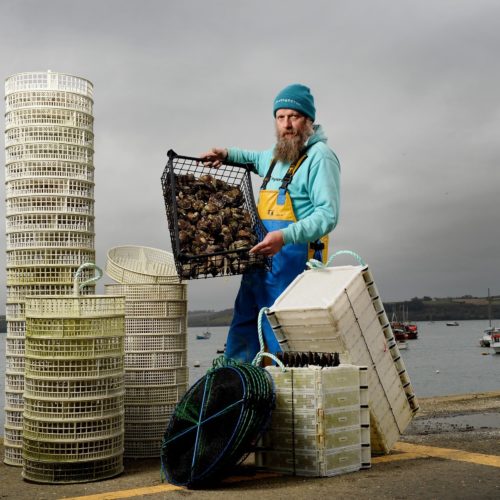
The Fal Fishery Cooperative CIC is a ‘not for profit’ organisation, but it also has to build itself towards being a fair employer and sustainable habitat manager for the years, decades and centuries to come.
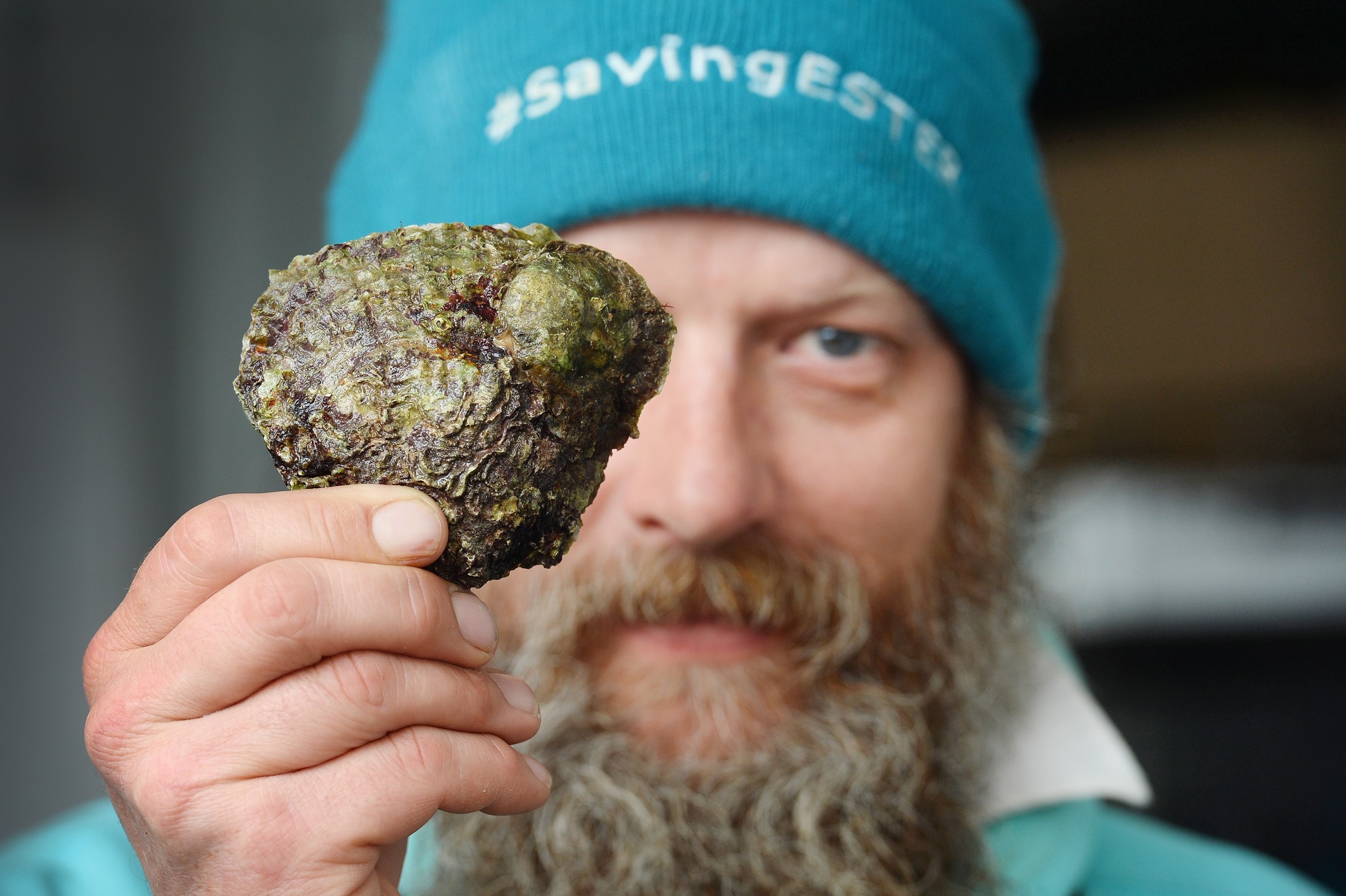
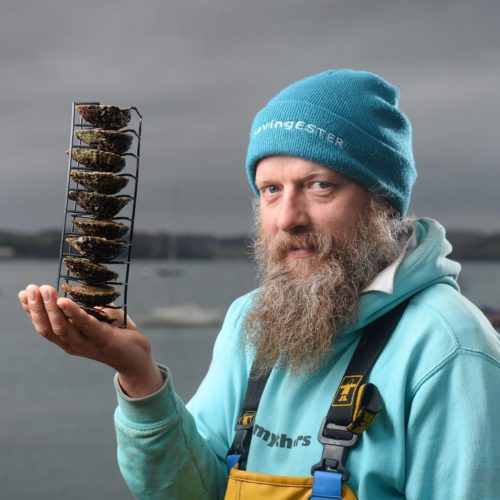
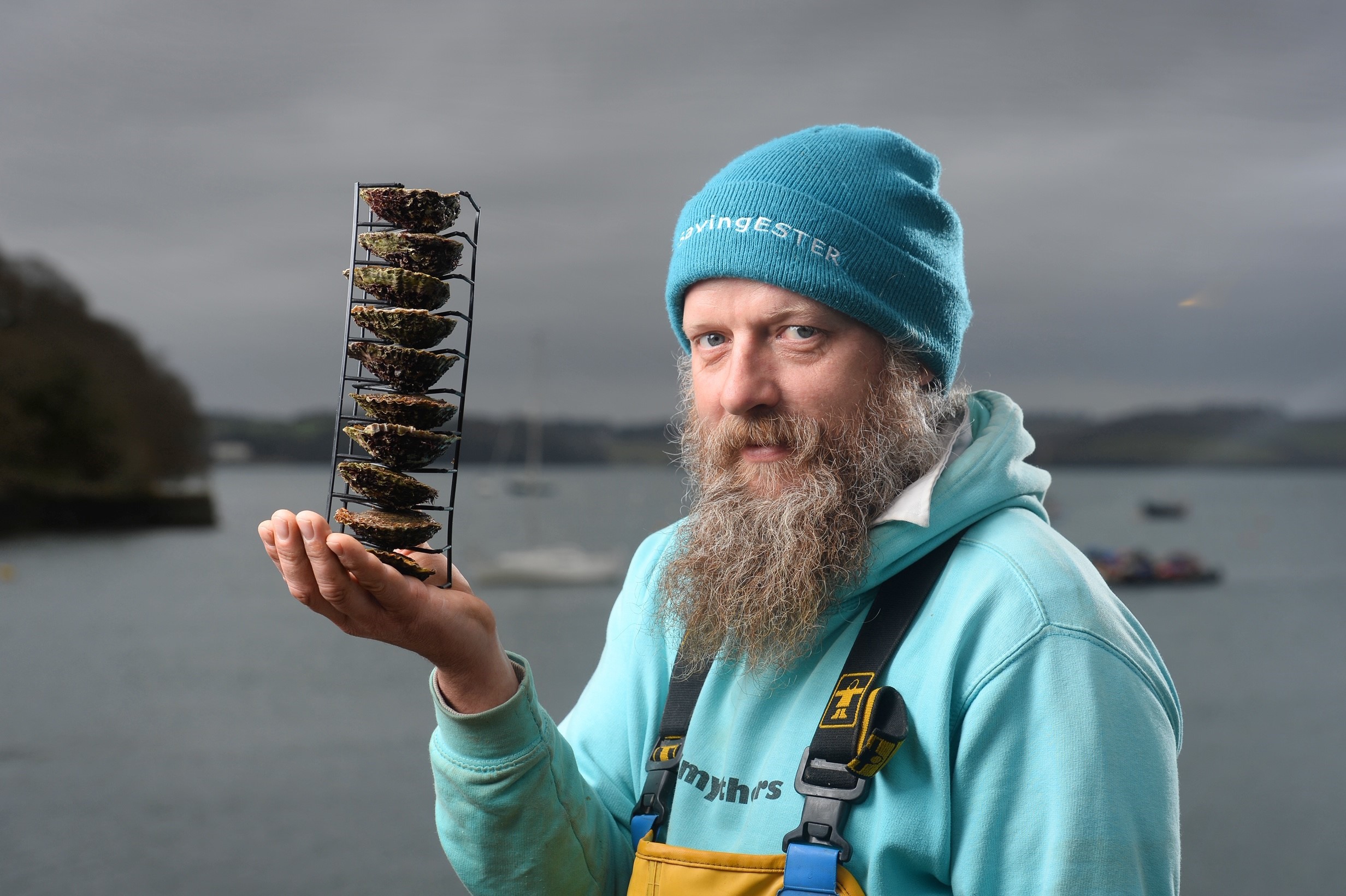
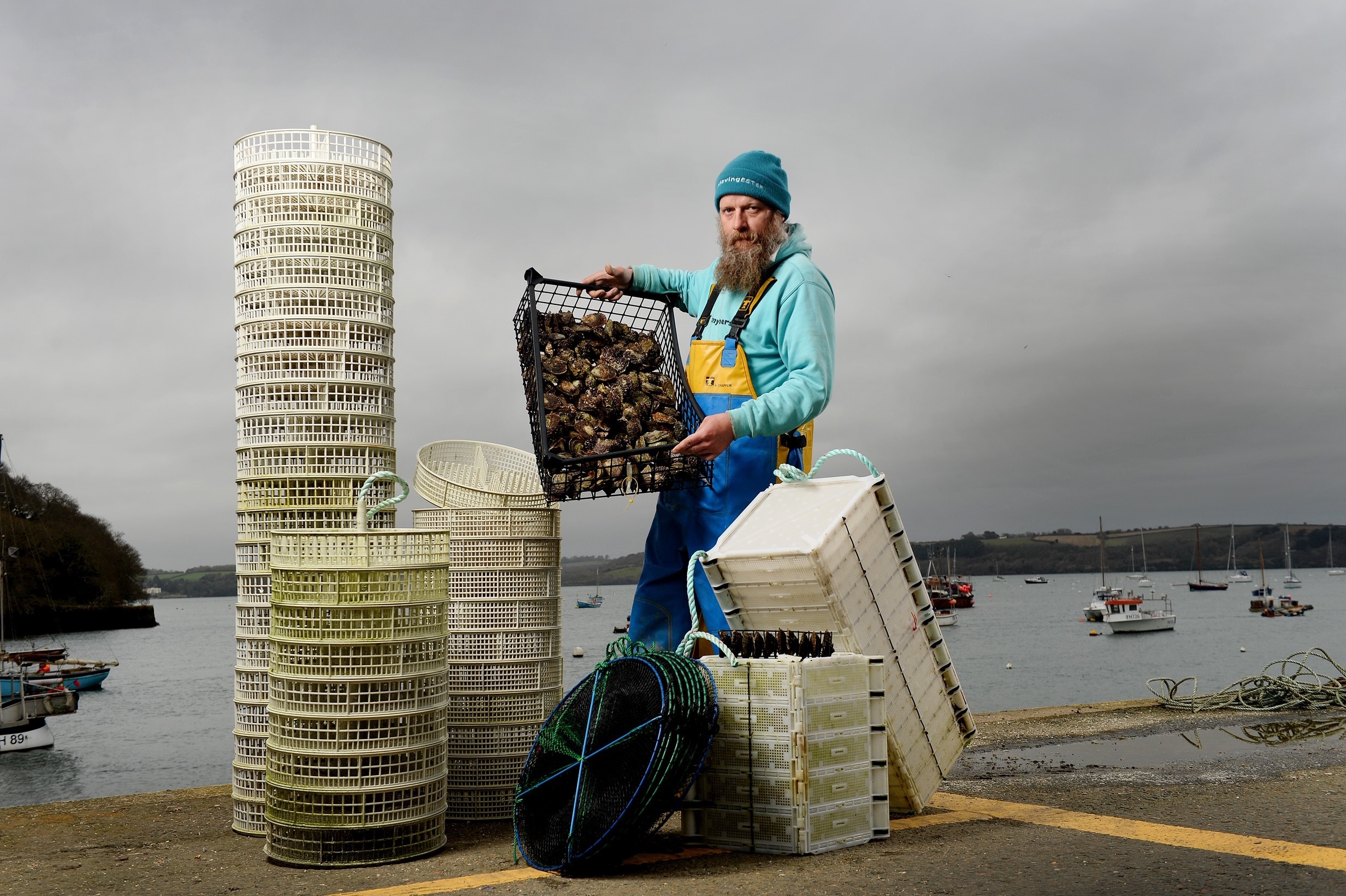
The Fal Fishery Cooperative’s first project is Saving Ester, the Cornish Oyster. The project is aiming to hatch and release 1,000,000 Cornish Native Oysters into the Fal Estuary. To date they have launched an online crowdfunding page, to kick start the project in 2020.
Historically, about 100 years ago, some 200 sail and oar vessels landed 800 tonnes from the same 1100 hectares that is now managed under the Fal Fishery Regulatory Order 2016. Stocks have recovered and maybe the offspring’s have become more resilient, but in the past few decades landings have peaked at about 100 tonnes between a few dozen or so vessels seen fishing on a daily basis.
Huge 101-year win for Fal Fishery Cooperative CIC’s project, #SavingESTER (the Cornish Native Oyster), which provided critical data in proposing, and changing, the ‘minimum landings size’.
On 18th August 2025 DEFRA signed our proposal to increase the ‘minimum landings size’ from 67mm to 72mm, we proved that despite a small economic loss in weight, a significant number of oysters are in those kilos, and they will have another 18 months, two summers to exponentially reproduce.
The last increase was in 1924, from 2” 1/2 to 2” 5/8, but back then the regulation stated “an oyster must not pass through a circular gauge” – now the 2016 regulation has the words “when laid flat across the aperture” – effectively now measuring longest length not shortest width of the shell, and bringing regulations in line with previously illegal activities, which I would call a decrease to the ‘minimum landings size’.